


Architecture

Art
Beach

Cultural

Custom Itineraries
History
Independent
Multi-Generational

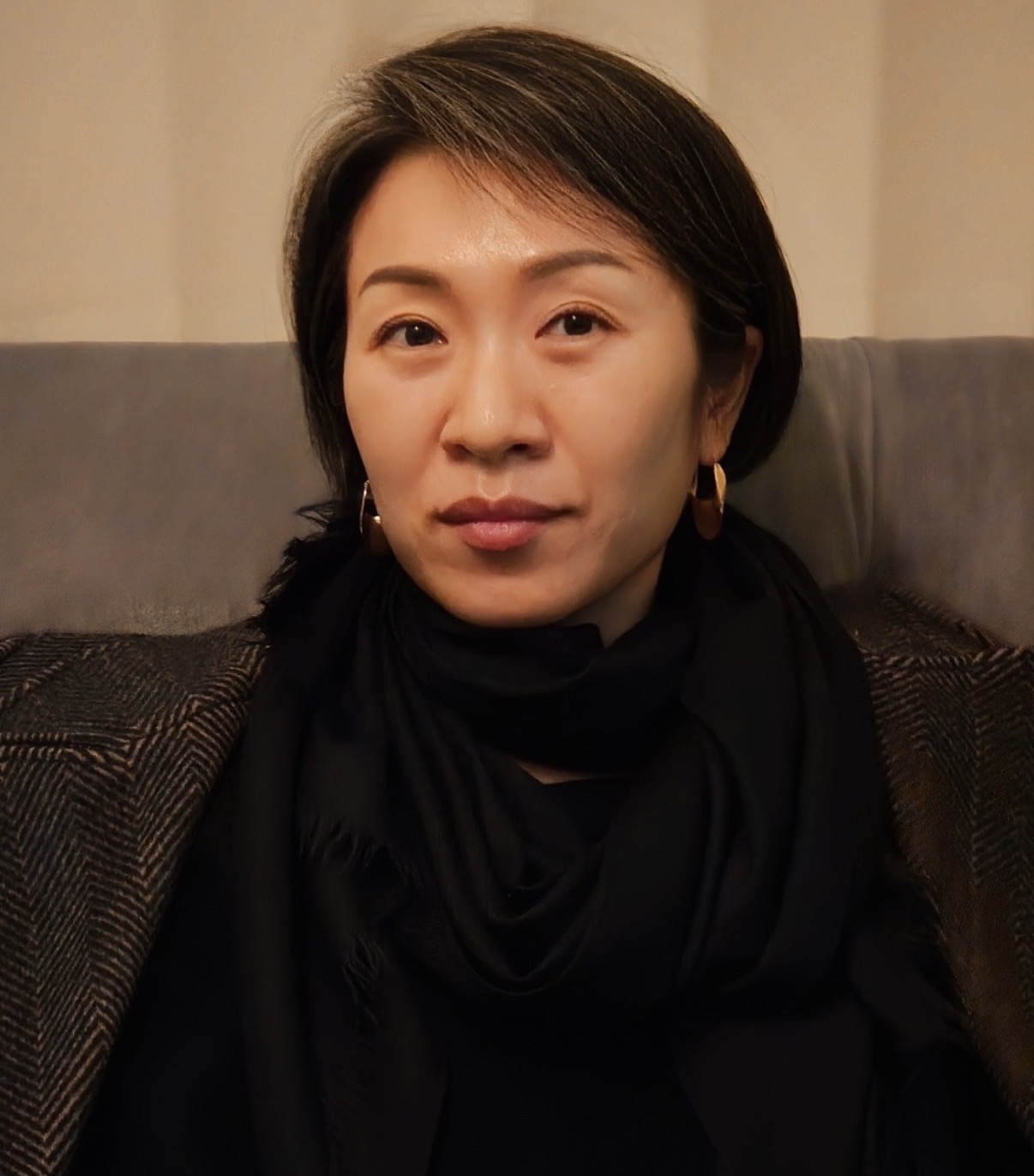
Christina Min is a luxury travel advisor with Departure Lounge. She plans heritage-focused journeys, multi-generational trips, and design-led itineraries for clients who prefer depth over spectacle.
Her path to travel has been anything but linear. A graduate of Johns Hopkins University and New York University’s College of Dentistry, Christina practiced clinically before moving into technology and design — most recently as Chief Product Officer of a Seoul-based fintech company, where she led product strategy from seed through growth stage. She currently serves as a Venture Partner at an early-stage accelerator, advising founders across consumer, biotech, fintech, and other sectors. It is an unusual background for a travel advisor, and a useful one: her work has always centered on service, systems, and the details that separate a good experience from an exceptional one.
The fourth generation in a family of doctors — her father, an orthodontist; herself, also trained in dentistry — Christina was raised in an environment where precision, discretion, and quiet competence were treated as professional baselines rather than points to be made. That sensibility shapes how she works with clients. She listens carefully, plans meticulously, and prefers to be measured by outcomes rather than self-description.
Christina is also the founder of Young and Tina, a mother-daughter luxury travel brand she built with her mother, a classically trained violinist, and grew to a global audience of more than 40,000 across Instagram and YouTube. Though the brand is recent, the traveling that shaped it is not, and the work has given her direct, current experience across the properties and regions she recommends — from returning stays at The Shinmonzen and Shinshoan in Kyoto to Bulgari Shanghai, alongside ongoing relationships with the general managers of leading resorts in Vietnam and Bali.
Her preferences are clear: the heritage property over the new opening, the quiet village over the marquee city, the shoulder season over the headline month. She plans trips for people who would rather be somewhere fully than everywhere briefly, with a sensitivity to pacing, privacy, and the kind of local knowledge that keeps clients a step ahead of the crowd — a trusted driver in Kyoto, a private guide in Florence, the shopkeepers and restaurateurs who remember her by name. An avid photographer by hobby, she is also quietly attentive to the visual and sensory texture of a trip: light, architecture, the way a room feels at seven in the morning.
Based in Seoul and working with clients worldwide, Christina plans journeys across Asia, Europe, and the Americas, with particular depth in Korea, Japan, Singapore, and Southeast Asia. She knows Kyoto across four visits, Shanghai across repeat stays, and Singapore across more than eight — and she lives in Seoul, where her knowledge runs from heritage neighborhoods to the tasting rooms that do not take online reservations.
Her philosophy is simple. The best luxury is quiet. It is the right room, at the right property, in the right season, planned by someone who has been there — and who brings the judgment to know what matters, and the care to get it right.
Kyoto is the city I keep returning to — four visits so far, with a fifth planned. It is the place my planning was shaped by, because Kyoto does not reward speed or efficiency. It rewards attention. The clients I plan Kyoto for are the ones who understand this instinctively, or who want to.
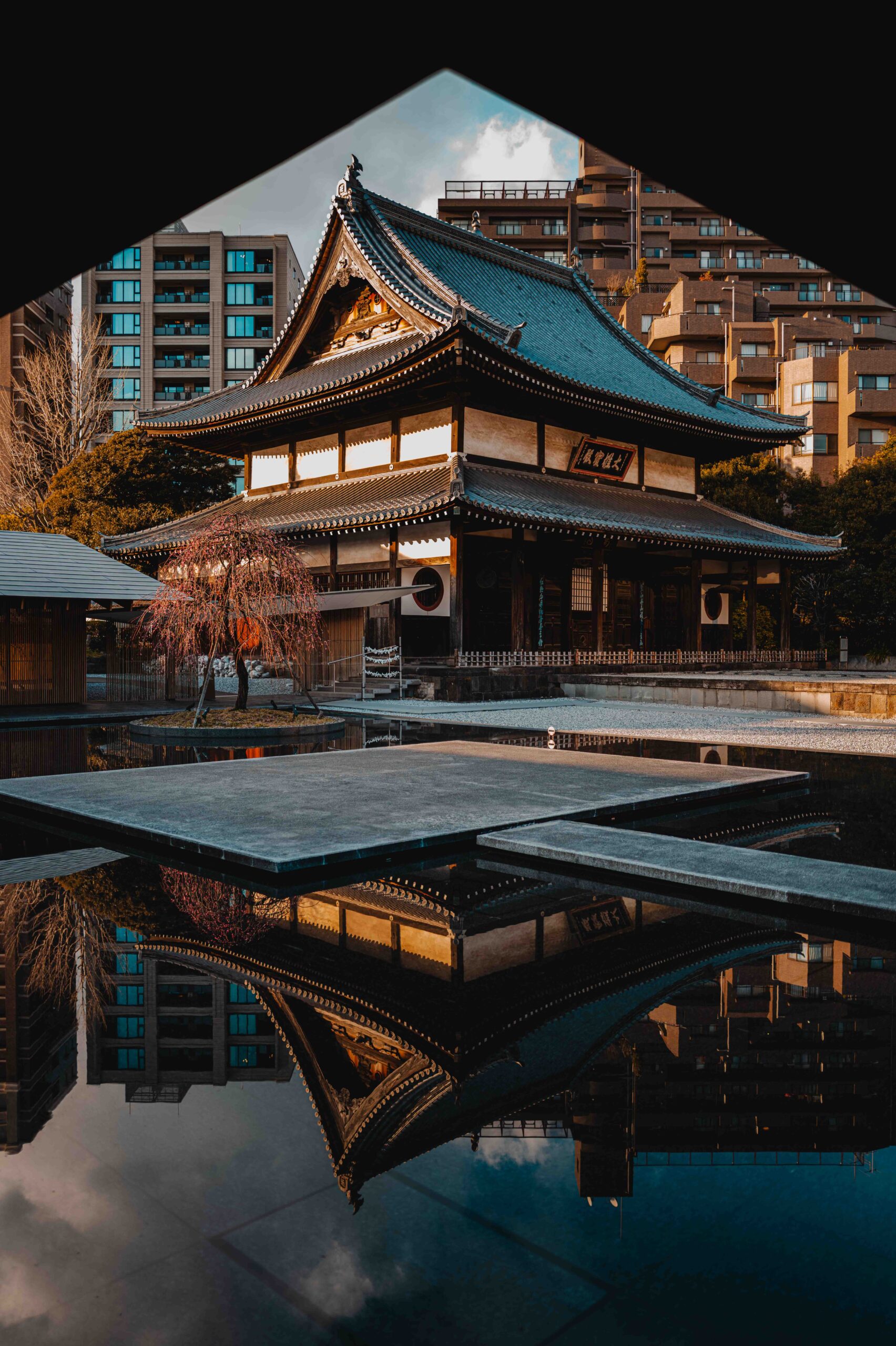
On hotels, I have an honest preference. For a first visit, I send clients to The Shinmonzen in Gion. Tadao Ando’s machiya-inspired architecture is the headline; the service is the substance. A wagashi delivery from a different Kyoto confectionery every day. A staff willing to pick up a takeout order from across the city without being asked twice. A location two minutes from Gion’s main stretch, with nearly every temple, restaurant, and shop I care about within a ten-minute walk. On my last stay, I booked the return trip before I checked out. For a second or third visit — or for a client who wants stillness above access — I send them to Shinshoan in Okazaki. Four rooms. A restored Meiji-era tea house on the property, built in the sukiya style without a single nail. Chef Ogata’s second kaiseki restaurant on-site, which alone justifies the stay. The two hotels solve for different trips.
The Kyoto I recommend around those hotels is not the one in most guidebooks. Fushimi Inari is worth it, but only at sunrise — by nine in the morning it is a different place entirely. Kiyomizudera is remarkable engineering and disappointing in person; the photographs are better than the visit. Kinkakuji and Ryoanji I would skip for most clients — the time is better spent at Shorenin, which is a small Tendai temple from 1150 with lacquered floors so unusual for a temple that my mother stopped mid-step the first time she saw them. It is the place in Kyoto I most want my clients to stand in.
The temples I plan around are Shorenin, Chionin (for the nightingale floors — the squeak gets louder the more carefully you try to walk), Nanzenji (the Sanmon gate, the Meiji-era aqueduct hidden on the grounds, and Tenjuan Garden, which most visitors miss because the entrance is separate), and Kenninji, which sits five minutes from Shinmonzen and is most travelers’ five-minute detour on the way to somewhere more famous. They should not walk past it.
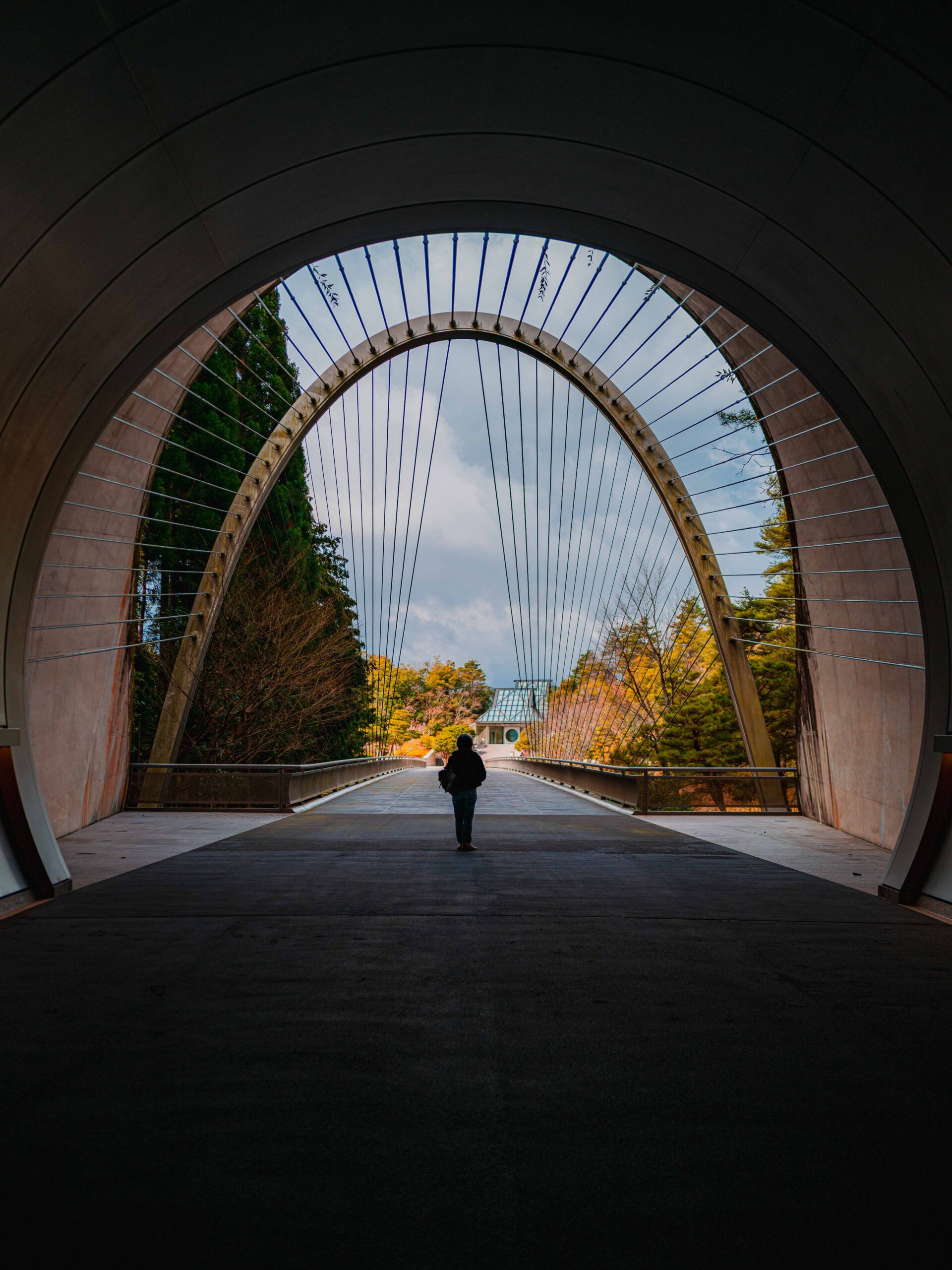
The meals worth planning around are specific and unglamorous. Takocho, an oden counter run by an elderly couple in Gion, with no reservations, no English menu, and seasonal items you have to ask for by name. Shinmonzen Yonemura, where French technique meets Kyoto vegetables and where, on one visit, a geiko and her patron were seated beside us at the counter. The traditional snack stores along Shijo-dori — Shimosato (since 1805), Kagizen, Matsubaya, Ousu no Sato, Kyoto Gion Hagetsuhonten — where every trip I bring things back to the hotel and the room smells like the city by evening. For a client who cares about architecture, Miho Museum is non-negotiable: an hour outside Kyoto, I.M. Pei’s 1997 commission, eighty percent underground, with an approach through a tunnel that genuinely does what the Chinese fable it was designed around promised.
What I have learned across these trips — and what I bring to Kyoto planning — is that the city rewards small adjustments most advisors do not make. A sunrise hour at a famous site changes the site. A fifteen-minute walk along the Shirakawasuji canal, which connects Gion to Okazaki and appears in almost no guidebook, is often the quietest and most beautiful part of a client’s trip. A temple five minutes from the hotel is sometimes the one they remember most. This is the kind of planning Kyoto rewards, and it is the kind I do.